
 Business License

Commercial Kitchen Vacuum Sealers: A B2B Guide to Pressure, Seal Quality and Workflow
Answer: For commercial kitchens, the right vacuum-sealing system depends on product type, moisture level, batch size, bag format, required vacuum, seal width, cleaning routine and duty cycle. Buyers should separate household convenience features from the specifications that determine repeatable sealing in a food-service workflow.
Start with the Food and Packaging Format
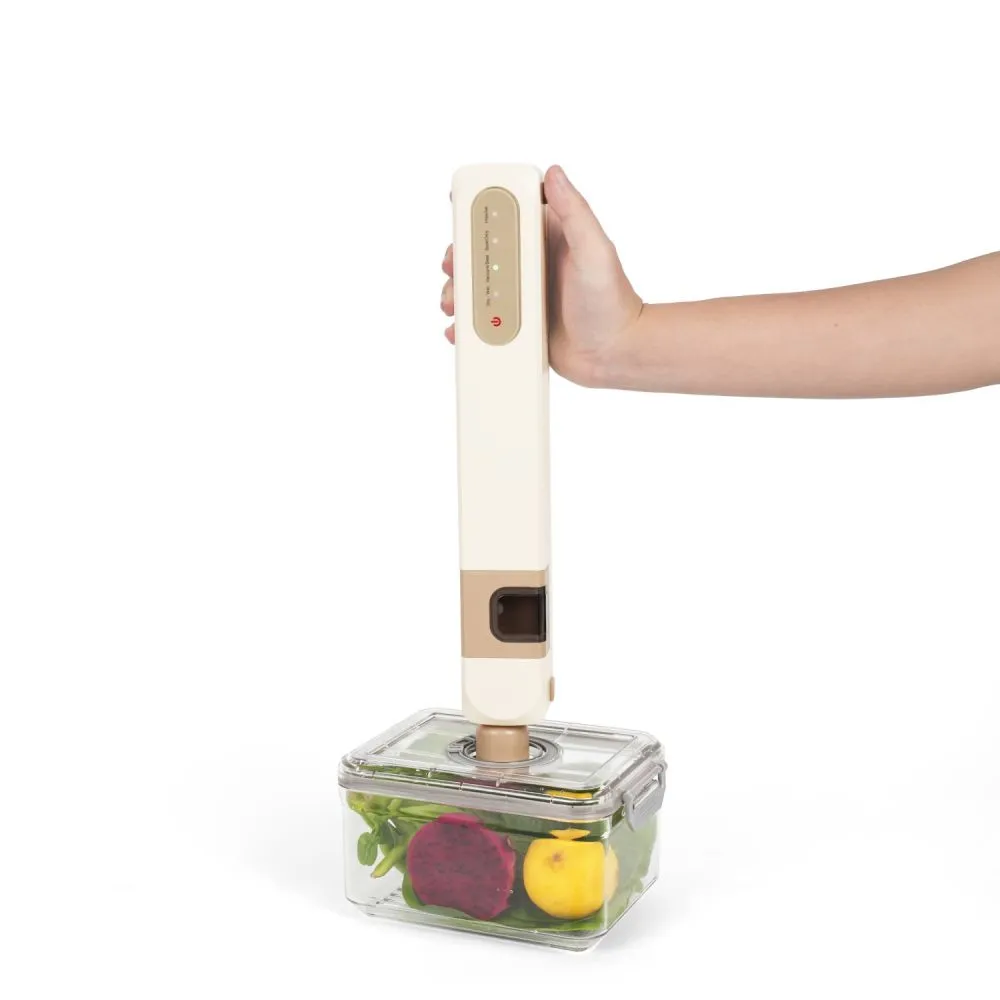
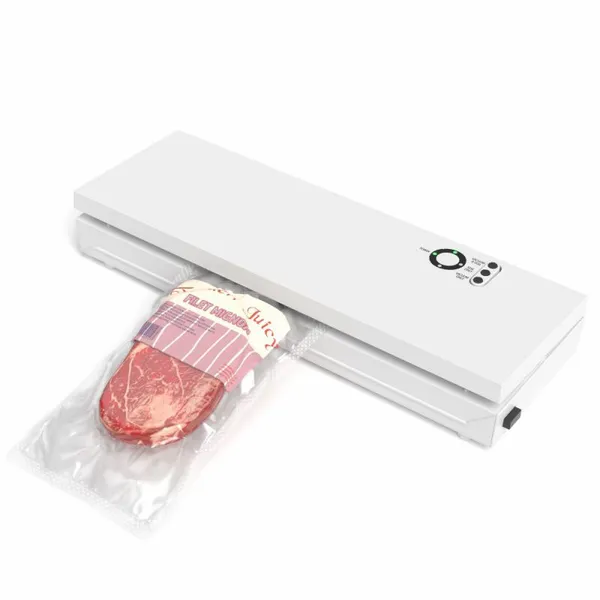
Dry goods, moist foods, delicate foods, liquids and rigid containers place different demands on a sealer. External suction machines are compact and practical for embossed bags; chamber systems are better suited to liquids and smooth pouches. Portable systems are useful for bags, containers and accessory-based storage but should not be treated as a replacement for a high-throughput chamber machine.
Vacuum and Seal Performance
Ask for vacuum pressure, flow rate, seal length, seal width and the control logic for wet/dry or impulse operation. The seal is as important as the vacuum: wrinkles, moisture and food residue can compromise an otherwise strong vacuum cycle.
Moisture Management and Cleaning
Commercial use benefits from removable drip trays, water collection or other structures that keep liquid away from the pump and sealing zone. Components exposed to food residue should be easy to inspect and clean.
Portable Example: JACC FVS0351Li
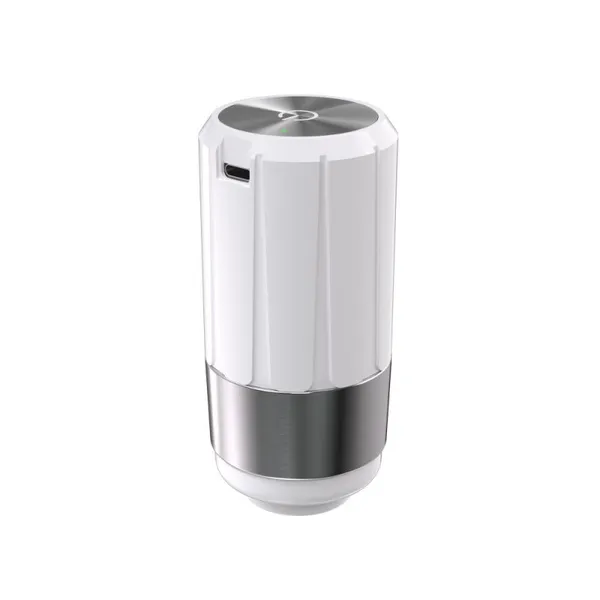
For portable and mixed-accessory programs, JACC’s FVS0351Li uses a 3000 mAh rechargeable battery with USB Type-C charging, approximately 3 L/min flow, -60 kPa vacuum, noise below 70 dB, a 280 mm x 3 mm seal and Dry/Wet, Vac+Seal, Seal Only and Impulse Vacuum controls. It can be configured for bags and compatible storage accessories. This is a portable category example, not a chamber-machine substitute.
Procurement Checklist for Food-Service Programs
Food type and moisture level
Bag or container format
Vacuum pressure and flow
Seal length/width and wet-food behavior
Cycle frequency and thermal protection
Cleaning and liquid-management design
Accessory ecosystem and replacement parts
Target-market electrical/compliance requirements
Related JACC Resources
FAQ
Is stronger vacuum always better?
No. Delicate products can be crushed; controllable vacuum is often more useful than maximum vacuum alone.
Can an external sealer handle liquids?
Some can handle moist foods with appropriate controls, but chamber technology is generally better for free liquids.
Should buyers specify bags in the RFQ?
Yes. Machine performance depends on bag construction, size and texture, so the packaging material should be validated with the machine.
For procurement: Share your target market, sales channel, required specification, expected order quantity, packaging concept and compliance requirements so the final model configuration can be checked before quotation.
Recently Posted
-
Food Vacuum Sealers Explained: Types, Key Specifications and OEM Buyer Checklist
October 9, 2026Answer: Food vacuum sealers remove air from a compatible bag or container and then create a seal or close a valve system to limit Read More
-
Roll Laminator vs Pouch Laminator: Which Format Fits Your B2B Market?
October 9, 2026Answer: Pouch laminators are usually the better fit for offices, schools, small print environments and retail consumer channels be Read More
-
How to Choose a Food Vacuum Sealer Supplier in China: 8 Procurement Criteria
October 9, 2026Answer: A food vacuum sealer supplier should be evaluated on engineering control, model-level performance data, quality systems, c Read More
-
Pouch Laminators 101 for B2B Buyers: Sizes, Pouch Thickness, Rollers, Speed and OEM
October 9, 2026Answer: A pouch laminator heats a pre-made plastic pouch around a document and passes it through rollers to bond and flatten the l Read More

Contact Us
Recommended Products
-
 JACC LM4201NTC A4 Thermal Laminator | 1-Min Warm-Up, 400 Mm/minUS$ 8.00 - 10.80MOQ: 1000 Pieces
-
JACC LM340V A3 12.5\" Zero-Warm-Up 4-Roller Thermal Laminator | 75-175 MicronUS$ 18.20 - 32.50MOQ: 1000 Pieces
-
JACC Food Vacuum Sealer Machine Dual Heat Sealing Lines With Bag Cutter Double Seal Strip for Airtight Moist Food Storage (VS6)US$ 12.00 - 13.50MOQ: 1000 Units
-
JACC 4-roller Pouch Laminator A3 13-inch High Speed Thermal Laminating Machine 1 Min Warm-up Office Hot Lamination (LM341B)US$ 32.00 - 34.00MOQ: 500 Pieces
-
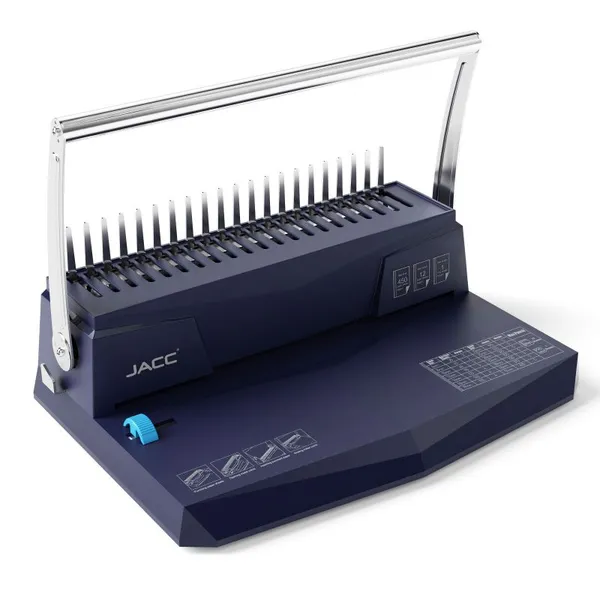
JACC CB12 A4 Comb Binding Machine | Up to 450-Sheet Binding CapacityUS$ 11.50 - 13.80MOQ: 500 Pieces
-
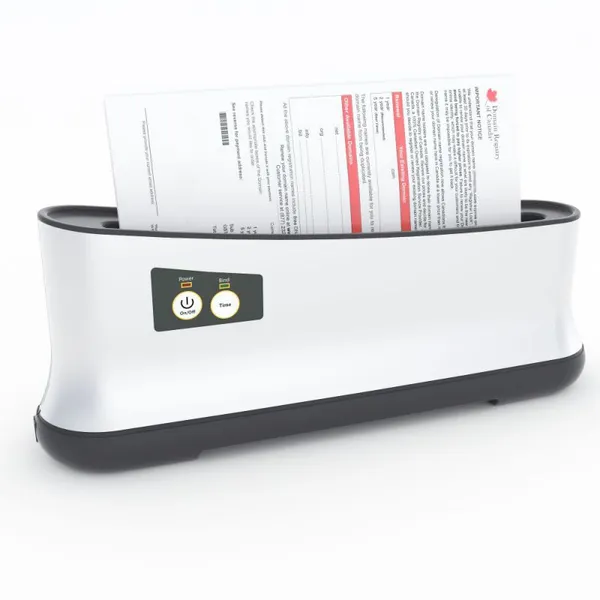
JACC 12 Inches A4 Thermal Binding Machine Hot Binding Machine Thermal Binder for Thermal Binding Covers (TB200)US$ 8.00 - 19.50MOQ: 500 Pieces
-
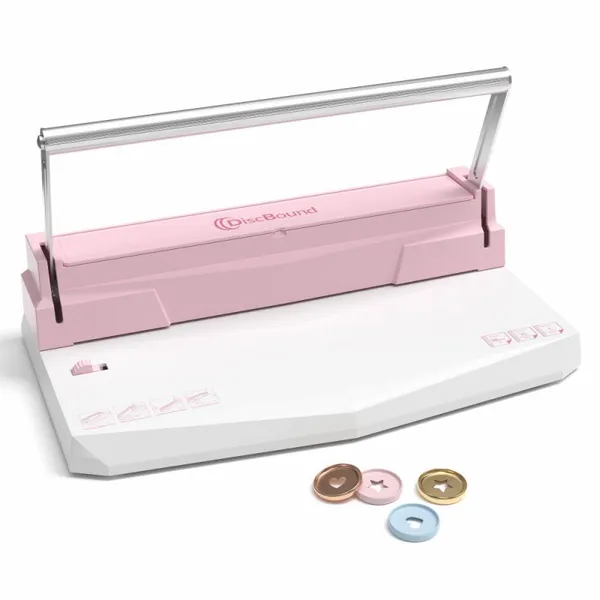
JACC DB12 12-Hole Discbound Punch | Mushroom-Hole Planner Binding MachineUS$ 19.00 - 28.00MOQ: 1000 Pieces
-
JACC Handheld Vacuum Sealer Mini Vacuum Pump for Reusable Vacuum Zipper Bags and Food Storage Containers (HVS3501)US$ 2.99 - 3.90MOQ: 2000 Units
-
JACC S0208B 14L 8 Sheets Cross Cut Paper Shredder Machine Document Shredding Machine Home Office Shredder IDPS004US$ 15.99 - 17.90MOQ: 500 Pieces
-
JACC IDDLW001 Nylon Coated Double-Loop Twin Ring Wire-O Binding Wire For Notebook Calendar Book Document BindingUS$ 1.35 - 1.93MOQ: 5000 Boxes
-
JACC Portable Food Vacuum Sealer Machine With Rechargeable Li-ion Battery Food Saver for Sous Vide (FVS0351Li)US$ 8.10 - 8.90MOQ: 1000 Units
-
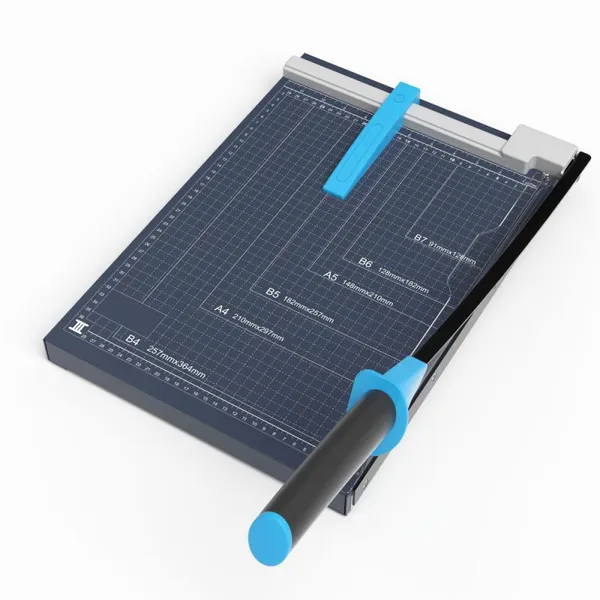
JACC Paper Cutter B4 15 Inch Paper Trimmer Machine Manual Paper Guillotine Machine Metal Baseplate (GL410B)US$ 8.20 - 9.50MOQ: 1000 Pieces
-
JACC LTB200 2-in-1 A3 Laminator & A4 Thermal Binder | OEM/ODMUS$ 15.00 - 25.00MOQ: 500 Pieces
-
JACC Food Vacuum Sealer Machine Food Saver Vacuum Preservation and Sealing Machine With Hose for Sous Vide (FVS2201)US$ 7.00 - 8.90MOQ: 1000 Units
-
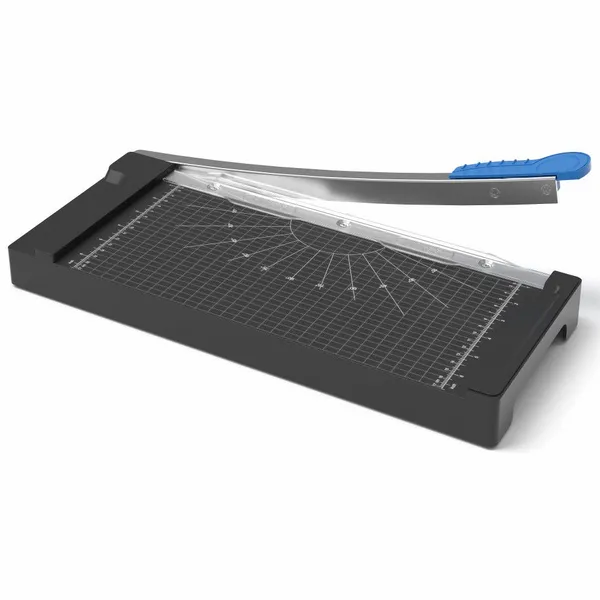
JACC A4 Size GL408 Paper Guillotine Cutter - Compact Design for Office, Photo & Card CuttingUS$ 5.5MOQ: 1000 Pieces
-
JACC S0206C 11L 6 Sheets Cross Cut Paper Shredder Machine Document Shredding Machine Home Office Shredder IDPS003US$ 12.50 - 14.00MOQ: 500 Pieces
-
JACC APS01 Automatic Infeed and Ejection Electric Pencil Sharpener Auto Feed Heavy Duty SharpenerUS$ 9.30 - 9.90MOQ: 1000 Pieces
-
JACC A4250CLR A4 Letter Size 250 Micron PVC Clear Binding Covers A4 Clear for Presentation and Report IDPVCBC001US$ 1.5 - 3.5MOQ: 1 Pack
-
JACC Vacuum Food Storage Container Handheld Vacuum Sealer Pump for Reusable Vacuum Zipper Bags (VSC2216)US$ 2.99 - 3.90MOQ: 2000 Units
-
JACC TR410V 4-in-1 Rotary Paper Trimmer Cutter A4 12 Inch Perforation, Wave Scoring Creasing Robust Metal Steel Base Plate IDPC046US$ 5.10 - 5.50MOQ: 1500 Pieces