
 Business License

Laminators in Education: Protecting Teaching Materials and Classroom Resources
An educational supplies distributor in Poland told us a while back that laminators had become one of their steadiest sellers. Schools in their region were moving away from paper worksheets and toward reusable, laminated teaching aids, and each school ordering a machine also ordered pouches on a regular cycle. The distributor's laminator revenue grew by roughly 40% in a single school year without any new sales effort.
That experience reflects a structural trend. Schools laminate constantly: flashcards, vocabulary cards, wall charts, name tags, and instructional signs all benefit from a protective film layer. For importers and distributors, the education sector offers something rare in office equipment—a customer base that buys both the machine and the consumables on a recurring basis. This article explains what schools actually laminate, what equipment they need, and how distributors can serve this market profitably.
1. Why Schools Are a Natural Market for Laminators
Teaching materials face harsh conditions. Cards are handled by dozens of small hands daily, wall charts hang through changing weather in hallways, and instructional signs get wiped, moved, and reused across terms. Unprotected paper rarely survives a full school year, while laminated materials routinely last three to five years.
The economics favor lamination. A set of vocabulary cards that costs roughly US$10 to print and prepare would need to be reprinted several times per year without protection. Laminated once at a material cost of roughly US$2 to US$4, the same set serves multiple classes for years. School budgets respond well to that calculation, especially when material budgets are tight.
There is also a pedagogical angle. Teachers reuse laminated materials more freely because they know the cards will survive storage and handling, which encourages investment in higher-quality visual aids. Schools that adopt lamination as a standard practice typically build a culture of reusing materials across grade levels.
Beyond durability, lamination changes how teachers prepare materials. Because a laminated card survives storage, teachers can build libraries of reusable aids over time instead of recreating them each term. Schools report that lamination shifts the classroom away from single-use photocopying, which reduces paper and toner costs across the institution. For distributors, this behavior change translates into steady, predictable pouch demand.
2. What Schools Actually Laminate: A Workload Profile
Understanding the workload mix helps distributors recommend the right machine and pouch assortment. The table below summarizes the typical items schools laminate and the frequency pattern observed across European school districts:
| Item Type | Typical Size | Suggested Pouch | Volume Pattern |
|---|---|---|---|
| Flashcards and vocabulary cards | Up to A5 | 125 microns | Continuous, weekly |
| Wall charts and posters | A3 and larger | 150 microns | Seasonal, batch |
| Name tags and desk labels | Small | 175 microns | Every term |
| ID cards and access badges | Credit card | 175–250 microns | Annual |
| Instructional signs | Mixed | 150 microns | Ongoing |
Most schools settle into a rhythm of roughly 100 to 300 laminated sheets per week during term time, with peaks at the start of each term when new teachers prepare their classrooms. The peak periods determine the machine specification, because a machine that cannot sustain a term-start burst will frustrate staff all year.
Beyond the items in the table, schools laminate less obvious materials: hall passes, emergency procedure cards, equipment labels, and even book covers in some programs. Libraries laminate shelf labels and periodical covers. These secondary applications may not appear in a workload analysis, but they add to the total film volume and reinforce the recurring consumable demand that makes education accounts valuable.
3. The Equipment Schools Need: Capacity and Duty Cycle
A school laminator is a shared resource, often placed in a staff room or resource center where several teachers queue their jobs. That usage pattern demands a machine with a higher duty cycle than a home office model. A machine rated for roughly 30 to 60 minutes of continuous use handles a typical school day's queue comfortably.
Warm-up time matters in a school setting because teachers rarely plan lamination jobs ahead. A machine that reaches temperature in 2 to 3 minutes encourages spontaneous use; one that takes 5 to 6 minutes gets left switched off and ignored. Faster warm-up correlates with higher-wattage heating elements, a specification worth verifying rather than assuming.
Roller configuration is the third factor. Four-roller machines produce flatter, bubble-free results on the thicker pouches schools favor, and they handle slightly misaligned feeds more forgivingly. Given that school users include non-specialists, a forgiving machine reduces the number of jammed or wasted pouches in daily use.
Placement planning is worth doing before purchase. A single A3 machine can serve a school of roughly 300 to 500 students when placed centrally, but larger schools often run two machines—one for primary classrooms and one for the administrative office. Some schools place a small A4 unit in the staff room for everyday jobs and reserve the A3 machine for larger projects. Distributors can add value by helping schools think through this placement logic during the quotation stage.
4. Pouch vs. Roll Laminators in School Settings
Most schools start with a pouch laminator because it is compact, affordable, and requires no operator training. A single A3 pouch machine serves an entire primary school. The pouch approach also suits the varied, small-batch jobs that dominate school workloads, since each job is independent and can be run as it arrives.
Roll laminators become relevant only in larger institutions with centralized print rooms. High schools and universities that produce thousands of sheets per month can justify the higher machine cost and the film-loading skill required. District-level print centers serving multiple schools are the most common roll-laminator buyer in education.
Distributors should therefore position pouch machines as the standard school recommendation and roll machines as the upgrade path for district facilities. This mirrors how most education procurement actually happens: individual schools buy pouch machines, while centralized services handle the volume.
5. Safety Features That Matter in Classrooms
School laminators may be operated by staff members with no technical training, and they are sometimes accessed by older students under supervision. Safety features are therefore a meaningful differentiator, not a footnote. Auto shut-off, which powers the machine down after a period of inactivity, protects against accidental overnight operation and reduces energy costs.
Overheat protection and a thermal fuse guard the heating element against runaway temperatures, which is especially important in aging machines. Recessed feed slots and protective shields around the rollers prevent accidental contact with hot surfaces, an important consideration in primary schools where machines sit on low tables.
CE marking is the baseline requirement for European markets, with ETL or UL certification expected for North American school orders. Some school districts require additional compliance documentation, so distributors should keep current certificates available for every model they sell into education.
Maintenance in a school environment is straightforward but should be scheduled. The rollers should be wiped clean after heavy use days, and the machine should be stored with the feed slot covered to prevent dust buildup. A brief quarterly check of the power cord, feed slot, and roller condition catches most problems before they interrupt teaching. Distributors that include a simple maintenance checklist with each school order reduce support calls noticeably.
6. Budget Planning: Machine and Consumable Costs for Schools
School procurement is budget-driven, and the total cost calculation includes both the machine and the film it consumes. The table below shows typical figures for a school deploying one A3 pouch laminator:
| Cost Item | Typical Amount | Notes |
|---|---|---|
| A3 pouch laminator | US$80–US$200 | Four-roller, adjustable temperature |
| Pouch film per sheet | US$0.05–US$0.15 | Depends on size and thickness |
| Annual film spend | US$100–US$250 | At 100–300 sheets per week |
| Roller replacement | US$20–US$40 | Every 2,000–5,000 operating hours |
The machine is a one-time cost, while film is recurring, which is why distributors value school accounts. A single school generating roughly US$150 in annual film sales returns that value for the life of the machine. Multi-school district contracts compound the effect substantially.
Timing shapes school purchasing. Most schools place laminator orders during the two months before term start, and budget cycles often mean orders land in the final quarter of the fiscal year. Distributors that align their promotional calendar with these windows capture a disproportionate share of education orders. Stocking the pouch assortment ahead of the peak season is equally important, because schools expect immediate delivery once a budget is approved.
Distributors can support school budgets by offering starter bundles—a machine with a mixed pouch assortment covering 80, 125, and 175 microns. Bundles simplify the purchasing decision for school administrators and anchor the recurring film relationship from the first order.
7. How Distributors Can Serve the Education Market
Winning education accounts requires different sales mechanics than general retail. School purchasing often runs through tenders or approved vendor lists, so distributors should prepare compliance documentation, certifications, and warranty terms in advance. Response speed matters: schools buy in concentrated windows before each term.
Demonstration capability is a practical advantage. A distributor that can show a live lamination in a staff room converts skeptical teachers faster than any brochure. Machines that reach temperature quickly make in-person demonstrations practical, reinforcing the specification point mentioned earlier.
After-sales support decides renewal. Schools expect quick answers on jam clearance, pouch selection, and minor repairs. Distributors working with manufacturers like Dongguan Jiaxi Office Equipment Co., Ltd. benefit from documented service guides and spare parts availability that keep machines running through the school year.
8. Case Example: Equipping a School Network
Some time ago, a distributor in Southeast Asia ran a pilot program with a network of 40 primary schools. Each school received one A3 four-roller pouch laminator, a mixed pouch starter pack, and a one-page guide on pouch selection. The pilot revealed two useful findings: schools used roughly twice the projected film volume because teachers discovered new applications, and the most common support request was pouch-size selection rather than machine failure.
Based on that experience, the distributor standardized on a single machine model across the network. The standardization simplified training, spare parts stocking, and reordering, and the school group extended the program to an additional 60 schools in the following year. The pilot confirmed that the education segment rewards simple, consistent product lines over broad assortments.
9. Frequently Asked Questions
9.1. What size laminator should a school buy?
For most schools, an A3 pouch laminator is the right starting point. A3 capacity covers wall charts and posters, while smaller documents simply use smaller pouches in the same machine. Schools that never laminate large-format materials can save money with an A4 model, but the price difference is modest and A3 machines offer flexibility for classroom decoration projects and event signs.
9.2. How long do laminated school materials last?
With 125- to 150-micron pouches, laminated teaching materials typically last three to five years of regular classroom use. Cards that are handled daily, such as vocabulary flashcards, may show edge wear after two to three years and can be relaminated. Higher-thickness pouches at 175 to 250 microns extend the service life for items like ID cards and desk labels.
9.3. Are laminators safe for use in schools?
Modern laminators are safe when specified correctly. Look for auto shut-off, overheat protection, and recessed feed slots, and choose machines with CE, ETL, or UL certification appropriate to the market. Machines should be placed on stable surfaces out of student reach in primary settings, and staff should receive a brief familiarization session covering pouch selection and jam clearance.
9.4. Can schools use a laminator for materials other than paper?
Laminators handle a range of flat media beyond paper. Card stock, fabric-backed posters, and thin plastic sheets laminate successfully when the machine has adjustable temperature control. Items with bulky attachments, thick magnetic strips, or very soft materials should be avoided because they cause uneven sealing or jams. Teachers should test a sample of any unfamiliar material before committing a full batch, and keep pouches sized to the media rather than forcing oversized items through.
The education sector rewards distributors who treat laminators as a system rather than a single product. By matching machine capacity to school workload, stocking the right pouch mix, and preparing the compliance documentation schools require, distributors can build accounts that generate machine sales and film revenue year after year.
Recently Posted
-
Quality Control in Office Equipment Manufacturing: From Incoming Materials to Final Inspection
September 4, 2026A buyer for a European retail chain once told us that he could predict a factory's output quality from a single question: can Read More
 -
Understanding Laminator Specifications: Speed (mm/min), Temperature Range, and Film Thickness
September 3, 2026An importer we have worked with for several years once ordered a batch of laminators based entirely on a retail description that e Read More
 -
Cross-Cut vs. Micro-Cut Shredders: Security Levels, Particle Size, and Cost Comparison
September 3, 2026A German office supplies importer approached us a while back with a product line problem. Their shredder range consisted almost en Read More
 -
Pouch Laminators 101: What Every Office Equipment Buyer Should Know
September 2, 2026An office supplies distributor we work with in the United Kingdom made a simple observation a while back. Their customers kept ask Read More

Contact Us
Recommended Products
-
 Premium 9.5-inch A4 Pouch Laminator Machine 1 Minute Warm-up High Speed Laminating Machine With NTC IDLM034US$ 8.00 - 10.80MOQ: 1000 Pieces
 -
Premium 4-roller Pouch Laminator A3 13-inch High Speed Thermal Laminating Machine 1 Min Warm-up Office Hot Lamination (LM341B)US$ 32.00 - 34.00MOQ: 500 Pieces
-
Premium A3 13" Pouch Laminator One Minute Warm-Up High Speed Thermal Laminating Machine Machine Max 150 Microns IDLM024US$ 11.80 - 13.90MOQ: 1000 Pieces
-
Premium Discbound Binder Hole Puncher Disc Binding Machine Mushroom Hole Punch Arc Binder Discbound Planner IDBM011US$ 19.00 - 28.00MOQ: 1000 Pieces
-
Premium 12-heet Comb Binding Machine Documnet Binding Machine Plastic Comb Binder Paper Binding Machine (CB12)US$ 11.50 - 13.80MOQ: 500 Pieces
-
Premium Spiral Coil Binding Machine 4:1 5:1 6mm Encuadernadoras Espiral Encadernacao Espiral Madeira (SB10)US$ 19.00 - 24.00MOQ: 500 Pieces
-
Premium 12 Inches A4 Thermal Binding Machine Hot Binding Machine Thermal Binder for Thermal Binding Covers (TB200)US$ 8.00 - 19.50MOQ: 500 Pieces
-
JACC 2-in-1 A3 & A4 Thermal Binding Machine 13\" Laminator &12\" Book Binding Machine IDLM037 Electric PowerUS$ 15.00 - 25.00MOQ: 500 Pieces
-
Premium 8 Sheets 21 19 Hole Comb Binding Machine Document Binding Machine Note Book Binding Machine (CB8)US$ 8.00 - 10.30MOQ: 500 Pieces
-
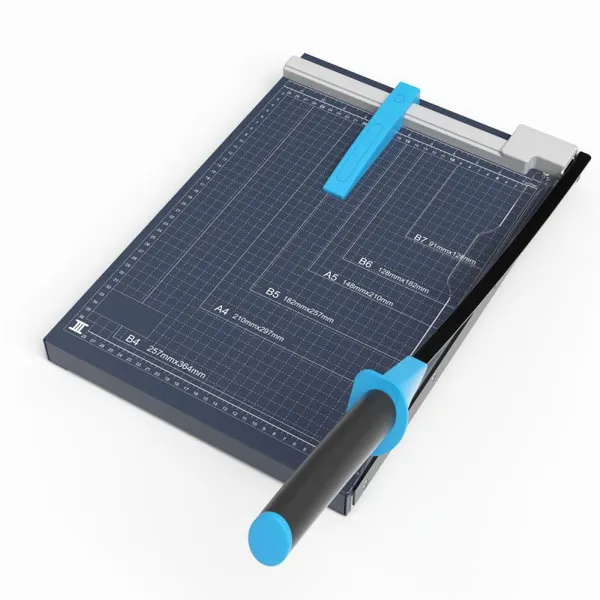
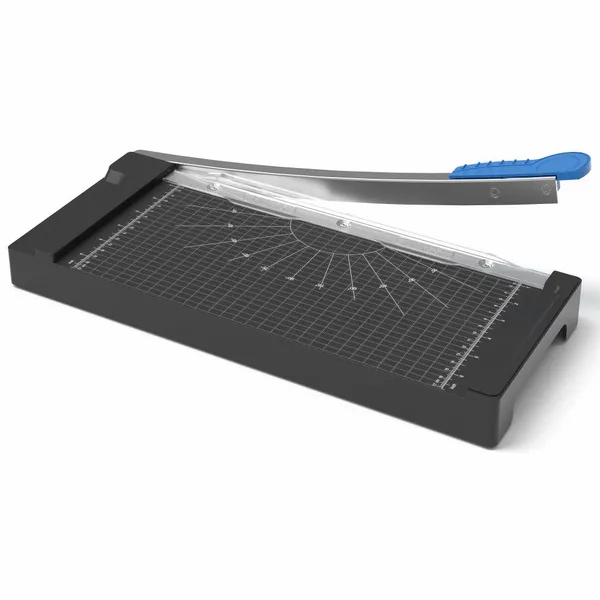
Premium Paper Cutter B4 15 Inch Paper Trimmer Machine Manual Paper Guillotine Machine Metal Baseplate (GL410B)US$ 8.20 - 9.50MOQ: 1000 Pieces
-
A4 Size GL408 Paper Guillotine Cutter – Compact Design for Office, Photo & Card CuttingUS$ 5.5MOQ: 1000 Pieces
-
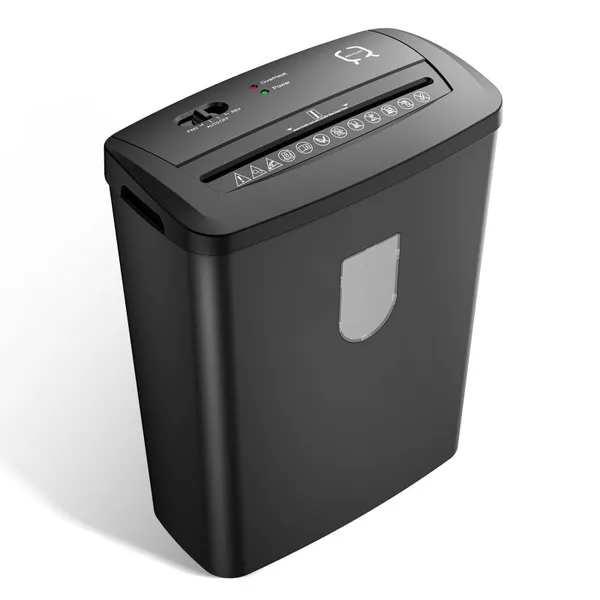
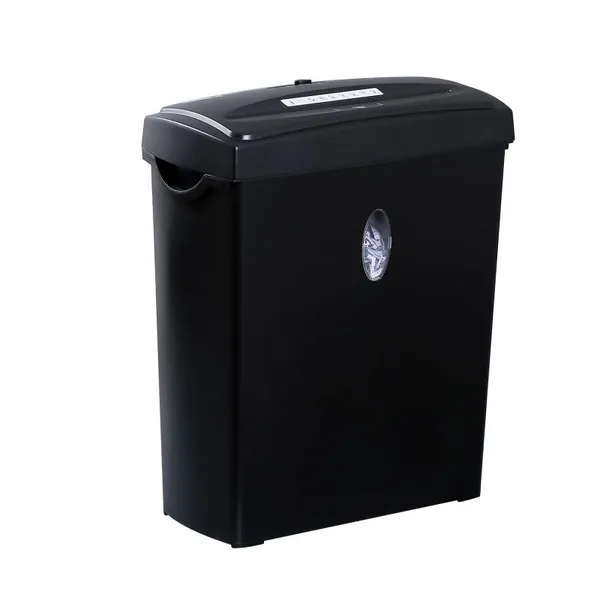
Premium 14L 8 Sheets Cross Cut Paper Shredder Machine Document Shredding Machine Home Office Shredder IDPS004US$ 15.99 - 17.90MOQ: 500 Pieces
-
Premium 11L 6 Sheets Cross Cut Paper Shredder Machine Document Shredding Machine Home Office Shredder IDPS003US$ 12.50 - 14.00MOQ: 500 Pieces
-
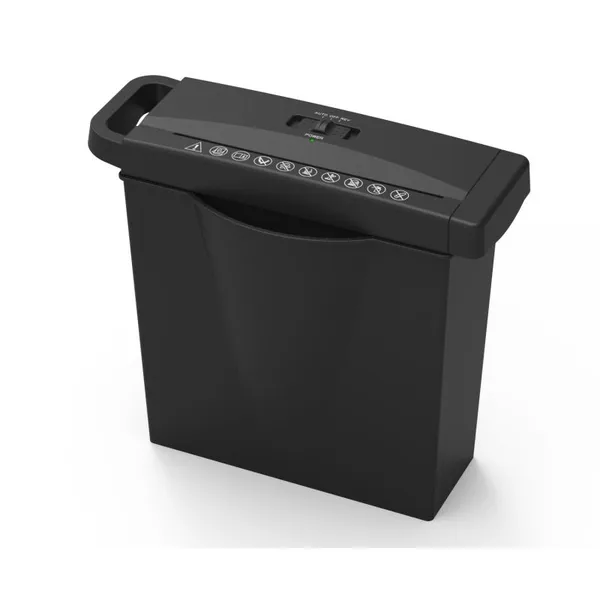
Premium 7L Home Office Paper Shredder 6 Sheets Strip Cut Document Shredding Machine IDPS002 With Electric Power SourceUS$ 7.99 - 8.88MOQ: 500 Pieces
-
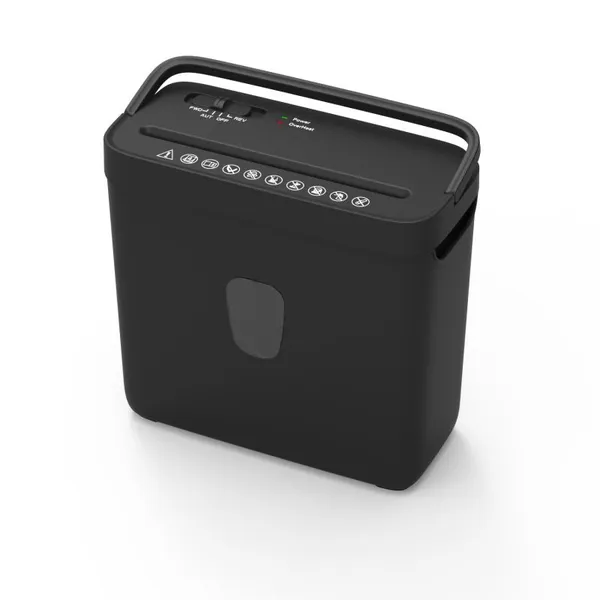
Premium 8L 4 Sheets Cross Cut Paper Shredder Machine Document Shredding Machine Office Shredder IDPS001US$ 9.50 - 10.50MOQ: 500 Pieces
-
Premium Portable Food Vacuum Sealer Machine With Rechargeable Li-ion Battery Food Saver for Sous Vide (FVS0351Li)US$ 8.10 - 8.90MOQ: 1000 Units
-
Premium Handheld Vacuum Sealer Mini Vacuum Pump for Reusable Vacuum Zipper Bags and Food Storage Containers (HVS3501)US$ 2.99 - 3.90MOQ: 2000 Units
-
Premium Food Vacuum Sealer Machine Food Saver Vacuum Preservation and Sealing Machine With Hose for Sous Vide (FVS2201)US$ 7.00 - 8.90MOQ: 1000 Units
-
Food Vacuum Sealer Machine Dual Heat Sealing Lines With Bag Cutter Double Seal Strip for Airtight Moist Food Storage (VS6)US$ 12.00 - 13.50MOQ: 1000 Units
-
Premium Portable Handheld Mini Vacuum Sealer Pump USB Rechargeable Air Suction Pump Vacuum Wine Jar Sealer IDFVS018US$ 4.50 - 5.10MOQ: 1000 Units